
Table of Contents
- Window Tint in Sacramento, CA: Ceramic vs Carbon Film for Valley Heat
- Why Sacramento Heat Makes Window Tint Worth Considering
- What Automotive Window Tint Does
- What Is Carbon Window Tint?
- What Is Ceramic Window Tint?
- Ceramic vs Carbon Window Tint: Main Differences
- Heat Rejection in Valley Weather
- Glare Reduction for Sacramento Driving
- UV Protection and Interior Fading
- Signal Clarity and Daily Use
- California Window Tint Law Basics
- Which Film Should Sacramento Drivers Choose?
- What Affects Window Tint Cost?
- What Is Included With Window Tint Installation?
- Best Vehicles for Window Tint in Sacramento, CA
- Window Tint With PPF, Ceramic Coating, and Windshield Protection
- How to Care for New Window Tint
- Why Sacramento Drivers Choose Royal Tint
- Schedule Window Tint Near Sacramento, CA
- FAQs About Window Tint in Sacramento, CA
- Sources
Window Tint in Sacramento, CA: Ceramic vs Carbon Film for Valley Heat
Window Tint in Sacramento, CA is one of the most practical upgrades for local drivers who deal with valley heat, bright sun, glare, and hot interiors. If you park outside, commute on Highway 50, I-80, I-5, Highway 99, Highway 65, Sunrise Boulevard, Folsom Boulevard, or drive between Sacramento, Rancho Cordova, Rocklin, Roseville, Folsom, Elk Grove, and Fair Oaks, your cabin can heat up fast.
The two common tint choices many drivers compare are ceramic film and carbon film. Both can improve comfort, reduce glare, and help protect your interior from UV exposure. The main difference is performance. Ceramic tint is usually the stronger option for heat rejection, especially in hot areas like Sacramento. Carbon tint can still be a good choice for drivers who want a clean look and solid comfort at a lower cost.
Royal Tint installs Window Tint in Sacramento, CA for drivers near Sacramento, CA, Rocklin, CA & Rancho Cordova, CA. The team uses Rayno window film and also offers paint protection film, ceramic coating, windshield protection film, auto detailing, and paint correction.
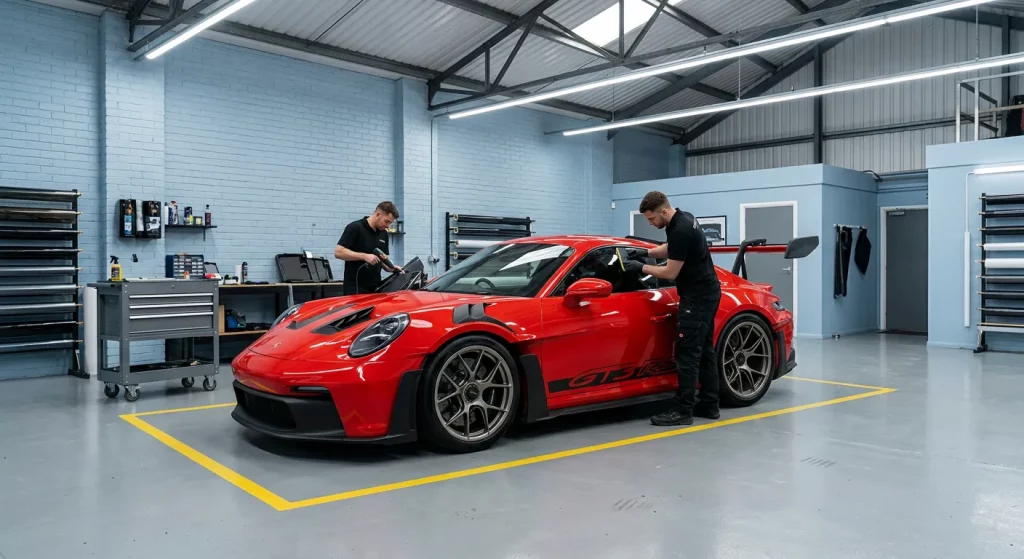
Here is why this matters. A darker film is not always the cooler film. Film technology matters. Ceramic tint can often reject more heat while staying lighter and easier to see through than darker basic films. That can be a big deal in California, where front window tint rules matter.
Why Sacramento Heat Makes Window Tint Worth Considering
Sacramento area heat can make a parked car feel uncomfortable quickly. Valley sun, blacktop parking lots, long red lights, and freeway traffic all add up. A vehicle parked at work, school, a grocery store, or a shopping center can feel hot enough to make every drive start with the air conditioner running high.
Window Tint in Sacramento, CA is popular because it can help with:
- Cabin heat
- Bright sunlight
- Glare
- UV exposure
- Interior fading
- Privacy
- Driving comfort
- Eye strain
- A cleaner vehicle look
The real question is not whether Sacramento gets hot. It does. The better question is what type of tint gives you the comfort, appearance, and legal fit you want.
EPA explains that sunlight includes visible light, infrared radiation felt as heat, and ultraviolet radiation. That helps explain why tint performance is not only about darkness. A high-quality film can target heat and UV while still allowing enough visible light through.
What Automotive Window Tint Does
Automotive window tint is a thin film installed on the inside of vehicle glass. It can change the appearance of the windows and help manage light, heat, and UV exposure.
Window tint can help with:
- Heat rejection
- Glare reduction
- UV blocking
- Interior comfort
- Privacy
- Upholstery and trim protection
- Eye comfort
- Cabin appearance
Different films perform differently. A cheap dyed film may darken the glass but offer weaker heat performance. Carbon film is a step up from basic dyed film. Ceramic film is often the better choice for drivers who want stronger heat control.
Bottom line, tint is not just about making windows darker. For Sacramento drivers, tint is about making the vehicle easier to live with during hot, bright weather.
What Is Carbon Window Tint?
Carbon window tint uses carbon-based particles in the film. It is known for a clean, dark look without the metallic shine found in older reflective films. Carbon film is usually more durable than basic dyed tint and can help reduce heat and glare.
Carbon tint is often chosen by drivers who want:
- A clean appearance
- Good glare reduction
- Better heat rejection than basic dyed film
- Non-metal film construction
- Less fading than basic dyed film
- A balanced cost and performance option
Carbon tint can be a good fit for daily drivers, trucks, older vehicles, family cars, and owners who want a noticeable upgrade without choosing the highest-performing film.
The catch is that carbon tint usually does not reject heat as strongly as ceramic tint. In Sacramento valley heat, that difference can matter, especially if you park outside or drive during the hottest part of the day.
What Is Ceramic Window Tint?
Ceramic window tint uses ceramic-based particles in the film. It is built for stronger heat rejection, UV support, glare reduction, and clear visibility. Royal Tint lists nano-ceramic technology and window tint benefits that include blocking up to 99.9% of UV rays and heat.
Ceramic tint is often chosen by drivers who want:
- Stronger heat rejection
- Better cabin comfort
- Good visibility
- UV protection
- Less glare
- A clean non-metal look
- No metallic signal concerns
- Premium performance
- Better comfort for daily commuting
Ceramic film is especially useful in hot climates because it can reject more infrared heat than many other film types. That matters in Sacramento because infrared radiation is the part of sunlight felt as heat.
Now here’s the thing. Ceramic film can cost more than carbon film, but many Sacramento drivers choose it because the comfort difference can be noticeable in daily driving.
Ceramic vs Carbon Window Tint: Main Differences
Ceramic and carbon films can both improve your vehicle, but they are not the same.
Carbon Window Tint
Carbon tint is best if you want:
- A clean dark look
- Good glare reduction
- Better performance than basic dyed film
- A non-metal film
- A budget-friendly upgrade
- Solid comfort for normal daily driving
Ceramic Window Tint
Ceramic tint is best if you want:
- Stronger heat rejection
- Better comfort in Sacramento heat
- UV protection
- Clearer performance at lighter shades
- Premium film technology
- A strong option for front windows within legal limits
- Better comfort for family, kids, pets, and long commutes
What this means is simple. Carbon film is a good upgrade. Ceramic film is the better heat-control choice.
If you drive often in valley heat, park outside, own a dark interior vehicle, or want the most comfort, ceramic tint is usually worth the upgrade.
Heat Rejection in Valley Weather
Heat rejection is the biggest reason many Sacramento drivers compare ceramic vs carbon window tint. Carbon film can help reduce heat, but ceramic film usually performs better.
Carbon Film Heat Performance
Carbon tint can reduce heat compared with bare glass and basic dyed film. It is a good middle-ground option for drivers who want relief from glare and some cabin heat.
Carbon tint may be enough if:
- You park in shade often
- You drive short trips
- You have a lighter interior
- You want good comfort without premium film cost
- You mainly care about appearance and glare
Ceramic Film Heat Performance
Ceramic tint is better for drivers who want stronger heat rejection. It can help reduce the heat felt through the glass and make the cabin more comfortable.
Ceramic tint is a strong fit if:
- You park outside
- You drive during afternoon heat
- You commute daily
- You own a black interior vehicle
- You drive a Tesla or EV with large glass
- You want better comfort without going too dark
- You care about rear-seat comfort for kids or passengers
Here’s what matters. A lighter ceramic film may outperform a darker basic or carbon film for heat. This is why film type matters more than shade alone.
Glare Reduction for Sacramento Driving
Glare can be a real problem in Sacramento, especially during morning and evening drives. Low sun angles, bright pavement, glass buildings, and freeway traffic can make driving uncomfortable.
Window tint can help reduce glare on:
- Highway 50
- I-80
- I-5
- Highway 99
- Highway 65
- Sunrise Boulevard
- Folsom Boulevard
- Watt Avenue
- Douglas Boulevard
- East Bidwell Street
Both carbon and ceramic tint can help reduce glare. The level of glare reduction depends on the shade, glass, and film used.
A darker tint usually reduces more visible glare, but California rules limit what can be done on front side windows. Ceramic film can be helpful because it can improve heat performance without needing to go very dark.
Let’s break it down. If you want glare reduction only, carbon may work well. If you want glare reduction plus stronger heat rejection, ceramic is the better choice.
UV Protection and Interior Fading
UV exposure can affect your skin and your interior. It can also contribute to fading, discoloration, and wear on seats, dashboards, trim, and steering wheels.
Royal Tint lists nano-ceramic tint technology that can block up to 99.9% of UV rays and heat. EPA explains that ultraviolet radiation is part of sunlight, while infrared radiation is felt as heat.
Window tint can help protect:
- Dashboards
- Leather seats
- Vinyl trim
- Plastic panels
- Steering wheels
- Center consoles
- Rear seats
- Car seats
- Cargo areas
The real question is how much sun your vehicle sees. If your car is parked outside at work or home, UV protection matters more. If you drive with kids, pets, passengers, or valuable interior materials, ceramic tint can be a smart upgrade.
Signal Clarity and Daily Use
Older metallic tint could sometimes interfere with signals. Modern carbon and ceramic films are generally chosen because they are non-metal options. This can matter for daily tech use.
A non-metal tint can be helpful for:
- Phones
- GPS
- Bluetooth
- Keyless entry
- Toll transponders
- Parking systems
- Satellite radio
- Vehicle sensors
For most drivers, both carbon and ceramic films can be friendly for daily tech use when installed correctly. Ceramic film has the advantage of premium heat performance without relying on metallic layers.
Bottom line, if you use navigation, wireless devices, Bluetooth, or toll tags often, ask Royal Tint about film options that fit your vehicle and tech needs.
California Window Tint Law Basics
California window tint rules matter, especially for front side windows and windshields. This section is a general guide, not legal advice.
California Vehicle Code Section 26708 restricts materials placed on windshields and side windows when they obstruct or reduce the driver’s clear view. It allows clear, colorless, transparent material on front side windows when listed requirements are met. Those requirements include at least 88% visible light transmittance for the material, the window glazing with the material meeting federal safety glazing requirements, UV support, and a certificate from the installing company or manufacturer.
California Vehicle Code Section 26708.5 says a person may not place or apply transparent material on the windshield, side windows, or rear windows if the material alters color or reduces light transmittance, except as allowed under Section 26708.
For most Sacramento drivers, this means you should talk with a professional installer before choosing tint shades, especially on front side windows and the windshield.
Ask Royal Tint about:
- Legal front side window options
- Rear side window options
- Rear glass options
- Windshield visor strip rules
- Clear ceramic options
- Medical exemption questions
- Installer certificate needs
- Whether your selected film fits California rules
Now here’s the thing. Going too dark on front windows can create visibility and legal problems. Ceramic film can be a better choice for drivers who want heat rejection without relying only on dark shade.
Which Film Should Sacramento Drivers Choose?
The best tint depends on your vehicle, budget, legal needs, heat concerns, and style goals.
Choose Carbon Film If:
- You want a clean dark look
- You want a better option than basic dyed tint
- You want good glare reduction
- You want a balanced cost and comfort option
- You do not park outside often
- You drive shorter trips
- You care most about appearance
Choose Ceramic Film If:
- You want stronger heat rejection
- You drive in hot Sacramento weather often
- You park outside
- You own a Tesla or EV
- You have a black interior
- You carry kids or passengers
- You want comfort without going too dark
- You want a premium tint option
- You plan to keep the vehicle
Bottom line, ceramic tint is usually the better choice for valley heat. Carbon tint can still make sense if you want a clean look and solid comfort at a lower cost.
For many drivers, the best setup is ceramic film on the front side windows and windshield-friendly legal areas, with matching film on the rear sides and back glass. Royal Tint can explain what works for your vehicle and California rules.
What Affects Window Tint Cost?
Window Tint in Sacramento, CA does not have one set cost for every vehicle. The quote depends on the vehicle, film type, number of windows, glass size, old tint removal, and selected shade.
Window tint cost can depend on:
- Film type
- Carbon vs ceramic
- Vehicle size
- Number of windows
- Glass shape
- Windshield or visor strip options
- Old tint removal
- Film shade
- Labor time
- Legal film requirements
- Add-on services
Film Type
Ceramic film usually costs more than carbon film because it offers stronger heat rejection and premium performance.
Vehicle Size
A two-door coupe has less glass than a large SUV, truck, van, Tesla Model X, or Cybertruck. More glass means more film and labor.
Glass Shape
Curved rear windows, quarter windows, panoramic glass, and large EV glass can take more time.
Old Tint Removal
If your vehicle has old bubbling, purple, scratched, or peeling film, removal may be needed before new tint is installed.
Add-On Services
Many drivers pair tint with paint protection film, ceramic coating, windshield protection film, or auto detailing.
The best way to get pricing is to contact Royal Tint with your year, make, model, current tint condition, and film goals. Call the Rocklin main number at (916) 840-0030, call the Sacramento/Rancho Cordova location at (916) 502-2994, or visit royalwindowtint.com/contact-us.
What Is Included With Window Tint Installation?
A quality window tint service should include more than applying film to glass. The process should include film guidance, glass prep, clean installation, cure guidance, and care tips.
A Window Tint in Sacramento, CA service may include:
Film Consultation
Royal Tint can help you compare ceramic and carbon film options, shade choices, comfort goals, and legal considerations.
Vehicle and Glass Review
The technician checks the glass, existing tint, defroster lines, rear glass shape, side windows, quarter windows, and windshield areas.
Glass Cleaning
The glass must be cleaned before film installation. Dust, fingerprints, old adhesive, and residue can affect the finished look.
Old Film Removal When Needed
If old tint is failing, bubbling, purple, or scratched, it may need removal before new film is installed.
Film Installation
Film is cut, fitted, and applied to the inside of the glass. Clean installation matters because dust, creases, and poor edges can stand out.
Edge and Finish Check
The installer checks the edges, fit, bubbles, and finish before pickup.
Cure Guidance
New tint needs time to dry and cure. During that time, the film may look slightly hazy or have small moisture pockets. Royal Tint can explain what is normal.
Aftercare Tips
You will get guidance on when to roll windows down, when to clean the glass, and which cleaners to avoid.
Here’s what matters. Good tint results come from good film and clean installation. Both matter.
Best Vehicles for Window Tint in Sacramento, CA
Window Tint in Sacramento, CA is useful for many types of vehicles. It is especially helpful for vehicles with large glass, dark interiors, rear-seat passengers, or daily commute use.
Popular vehicles for window tint include:
- Tesla Model 3, Model Y, Model S, Model X, and Cybertruck
- Toyota Camry, Corolla, Tacoma, Tundra, 4Runner, RAV4, and Sequoia
- Honda Civic, Accord, CR-V, Pilot, and Odyssey
- Ford F-150, Mustang, Bronco, Explorer, and Expedition
- Chevy Silverado, Tahoe, Suburban, Camaro, and Corvette
- Ram trucks
- Subaru Outback, Forester, Crosstrek, and WRX
- BMW, Mercedes-Benz, Audi, Lexus, Porsche, and Range Rover vehicles
- Rivian R1T and R1S
- Lucid Air
- Jeep Wrangler and Grand Cherokee
- Mazda, Hyundai, Kia, Nissan, Acura, and Infiniti vehicles
You do not need a luxury vehicle to benefit from tint. A daily commuter, family SUV, work truck, or student car can all feel better with the right film.
Window Tint With PPF, Ceramic Coating, and Windshield Protection
Many Sacramento drivers tint their windows as part of a larger vehicle protection plan.
Window Tint and PPF
Window tint improves cabin comfort. Paint protection film protects painted panels from rock chips and road debris. Together, they help with both comfort and exterior protection.
Window Tint and Ceramic Coating
Ceramic coating helps paint look glossier and wash easier. Window tint helps make the cabin more comfortable. This is a strong combo for new vehicles, daily drivers, and dark-colored cars.
Window Tint and Windshield Protection
Windshield protection film helps guard the windshield from rocks, chips, scratches, and road debris. Window tint helps with heat, glare, and comfort. Both are useful for freeway drivers.
Window Tint and Detailing
Auto detailing can clean and refresh the vehicle before or after tint installation. This is helpful when building a full care plan.
What this means is simple. Tint helps the cabin. PPF helps paint. Ceramic coating helps washing and gloss. Windshield protection helps glass. Royal Tint offers all of these services in one place.
How to Care for New Window Tint
New window tint needs proper care while it cures.
Do Not Roll Windows Down Too Soon
Follow Royal Tint’s guidance before rolling down tinted windows. Rolling them down too early can affect the edges.
Let the Film Cure
New tint may show light haze or small moisture pockets during the curing process. This can be normal. Cure time depends on weather, film type, and vehicle glass.
Use Tint-Safe Cleaners
Use ammonia-free cleaners that are safe for window film. Harsh cleaners can damage tint.
Use Soft Towels
Use clean microfiber towels. Avoid rough towels, scrub pads, or sharp tools.
Do Not Pick at Edges
If you notice an edge concern, contact Royal Tint instead of pulling at the film.
Avoid Stickers on Tinted Glass
Stickers, suction cups, and adhesive items can damage film or leave marks.
Ask About Care for Rear Defrosters
Rear glass has defroster lines that need gentle cleaning. Avoid scraping the inside of the rear window.
Bottom line, tint care is simple. Let it cure, clean it gently, and avoid harsh products.
Why Sacramento Drivers Choose Royal Tint
Royal Tint serves drivers through its Rocklin and Rancho Cordova locations. The Rancho Cordova location is convenient for Sacramento, Folsom, Fair Oaks, Orangevale, Carmichael, Citrus Heights, Elk Grove, and nearby areas. The Rocklin location is convenient for Roseville, Granite Bay, Loomis, Lincoln, Antelope, and nearby Placer County communities.
Royal Tint locations:
- Sacramento Location: 3515 Sunrise Blvd Suite #21, Rancho Cordova, CA 95742
- Rocklin Location: 5600 Pacific St Suite 100, Rocklin, CA 95677
Royal Tint serves Sacramento, CA, Rocklin, CA & Rancho Cordova, CA, plus nearby Folsom, Roseville, Granite Bay, Fair Oaks, Orangevale, Citrus Heights, Carmichael, Elk Grove, Antelope, Loomis, Lincoln, and El Dorado Hills.
Drivers choose Royal Tint because the team offers:
- Window Tint
- Paint Protection Film
- PPF
- Ceramic Coating
- Windshield Protection Film
- Auto Detailing
- Paint Correction
Royal Tint is Rayno, Onyxhield, and BLASK certified and works with these brands as a vendor. The shop also carries warranties on products and services.
Royal Tint has 700+ combined reviews with a 5-star rating. The Sacramento location has 285 reviews with a 5-star rating, and the Rocklin location has 488 reviews with a 5-star rating.
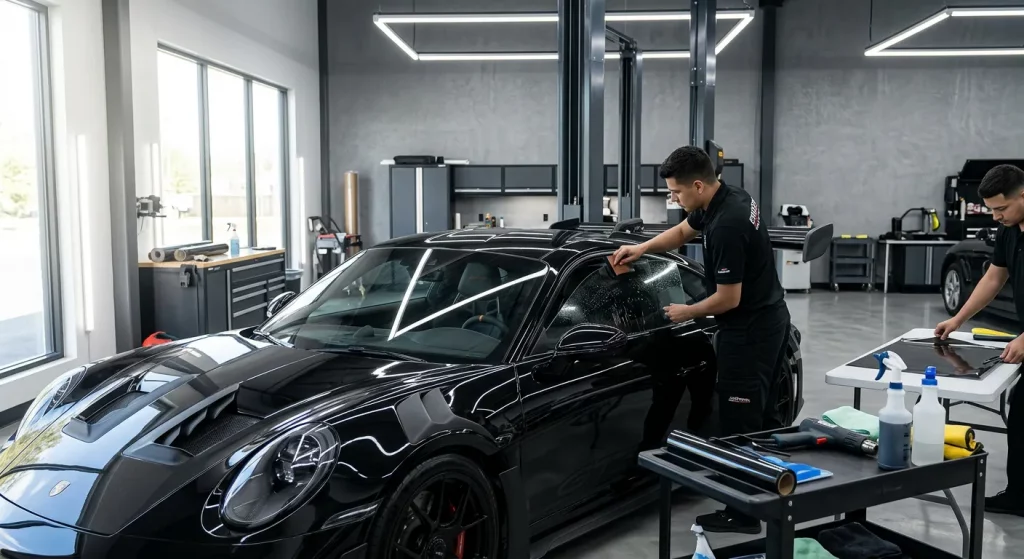
Here is why that matters. Window tint results depend on film quality, shade guidance, legal knowledge, clean glass prep, sharp installation, cure guidance, and aftercare. Royal Tint gives Sacramento drivers a local team for tint, PPF, coating, detailing, and windshield protection.
Schedule Window Tint Near Sacramento, CA
If you want Window Tint in Sacramento, CA, Royal Tint can help you compare ceramic and carbon film options for valley heat. If you want the strongest heat rejection, ceramic tint is usually the better choice. If you want a clean look and solid comfort at a lower cost, carbon tint may fit your goals.
Royal Tint installs Rayno window film and also offers Onyxhield PPF, BLASK ceramic coating, windshield protection film, auto detailing, and paint correction.
Call the Rocklin main number at (916) 840-0030 or the Sacramento/Rancho Cordova location at (916) 502-2994. You can also visit royalwindowtint.com/contact-us to schedule an appointment.
Hours:
- Monday to Saturday: 9 AM to 7 PM
- Sunday: 12 AM to 6 PM
Window Tint in Sacramento, CA is a smart upgrade if you want a cooler cabin, less glare, better comfort, and a cleaner look through valley heat. Royal Tint can help you choose a film that fits your vehicle, driving habits, and California tint rules.
FAQs About Window Tint in Sacramento, CA
1. Is ceramic tint better than carbon tint for Sacramento heat?
Yes, ceramic tint is usually better for Sacramento heat because it is built for stronger heat rejection. Carbon tint still helps, but ceramic tint is the better choice for hot valley driving.
2. Is carbon window tint still worth it?
Yes. Carbon tint can be a good choice if you want a clean look, glare reduction, and better performance than basic dyed tint without choosing the premium ceramic option.
3. Does darker tint always block more heat?
No. Film type matters. A lighter ceramic film can reject more heat than a darker basic film. Ask Royal Tint about heat rejection, not only shade.
4. What tint is best for a Tesla in Sacramento?
Ceramic tint is often the best choice for Teslas because many Tesla models have large glass areas and dark interiors. Ceramic tint can help reduce heat while keeping visibility clear.
5. What does California law say about front window tint?
California Vehicle Code Section 26708 allows clear, colorless, transparent material on front side windows when listed light transmission, UV, and certificate requirements are met. Ask Royal Tint about legal options for your vehicle.
6. How much does Window Tint in Sacramento, CA cost?
Cost depends on film type, vehicle size, number of windows, glass shape, old tint removal, shade choice, and labor time. Call Royal Tint at (916) 840-0030 or (916) 502-2994, or visit royalwindowtint.com/contact-us for a quote.
7. Where can I get window tint near Sacramento, CA?
Royal Tint installs window tint through its Rancho Cordova and Rocklin locations. Call (916) 502-2994 for the Sacramento/Rancho Cordova location or (916) 840-0030 for Rocklin.
Sources
- Window Tinting in Rocklin or Rancho Cordova, CA | Royal Tint | No date listed | https://royalwindowtint.com/
- Window Tinting in Rocklin or Rancho Cordova, CA | Royal Tint | No date listed | https://royalwindowtint.com/services/window-tinting/
- Contact Us | Royal Tint | No date listed | https://royalwindowtint.com/contact-us/
- Paint Protection Film in Rocklin or Rancho Cordova, CA | Royal Tint | No date listed | https://royalwindowtint.com/services/ppf-paint-protection/
- Ceramic Coating in Rocklin or Rancho Cordova, CA | Royal Tint | No date listed | https://royalwindowtint.com/services/ceramic-coating-for-cars/
- Windshield Protection | Royal Tint | No date listed | https://royalwindowtint.com/services/windshield-protection/
- Auto Detailing and Paint Correction | Royal Tint | No date listed | https://royalwindowtint.com/services/detailing/
- Vehicle Code Section 26708 | California Legislative Information | No date listed | https://leginfo.legislature.ca.gov/faces/codes_displaySection.xhtml?lawCode=VEH§ionNum=26708
- Vehicle Code Section 26708.5 | California Legislative Information | No date listed | https://leginfo.legislature.ca.gov/faces/codes_displaySection.xhtml?lawCode=VEH§ionNum=26708.5
- Ultraviolet UV Radiation and Sun Exposure | U.S. Environmental Protection Agency | 2026 | https://www.epa.gov/radtown/ultraviolet-uv-radiation-and-sun-exposure