

Choosing window tint shades is one of the first questions people bring to our shops in Rocklin and Sacramento (Rancho Cordova), and it comes up just as often from drivers in nearby Roseville. The number on the film — 5, 15, 20, 30, or 50% — is not a style name. It is how much visible light gets through. Get that straight, and the rest of the conversation about heat, privacy, and California’s tint rules is much easier.
Royal Tint installs RAYNO Phantom, a nano carbon ceramic window film, at both locations. Below is the shade range we actually offer, what the percentage means, how to compare familiar brand names without mixing up who installs what, and how to see the films on glass before you decide.
What a tint percentage means
When people in Rocklin, Roseville, Sacramento, or Rancho Cordova ask for a “tint percentage,” they are asking about visible light transmittance, often shortened to VLT. On RAYNO Phantom, the shade number is the percentage of visible light that gets through the film. It is a measure of how much light you still see through the glass, not a legal rating and not a heat-rejection number on its own.
Lower numbers are darker
Five percent lets through the least visible light in this lineup, so it is the darkest of the five. Fifty percent lets through the most, so it is the lightest. Fifteen, 20 and 30 sit in between. A darker film can add privacy and cut glare; a lighter film keeps more of the view. The right choice depends on the vehicle, the glass, and how the cabin should feel in daylight — which is why we keep real samples on glass at both shops instead of asking you to pick a number from a list.
The five RAYNO Phantom shades we install
At Royal Tint, Phantom is offered in 5, 15, 20, 30 and 50%. That is the full published shade range — 5–50% VLT. We do not invent in-between shades here, and we do not add a percentage we do not actually install. If a quote from another shop lists numbers that are not on this list, you are not looking at the same lineup we have on the wall.
There is no single “best” window tint shade for every car in the Sacramento area. We will help you compare the five shades in person, on glass, against your own windows when you can bring the car.
What Phantom film is
The film is RAYNO Phantom. It uses Nano Ceramic Technology. RAYNO describes Phantom as the world’s first patented nano carbon ceramic film — a carbon ceramic film developed with a patented formula. In short, nano-carbon is what holds the color, and encapsulated nano-ceramic is what rejects the heat.
Across the lineup, Phantom is listed at up to 93% heat rejection and 99.9% UV rejection. Exact numbers vary by film and shade. We would rather stand next to a sample with you than pretend one figure applies the same way to every window.
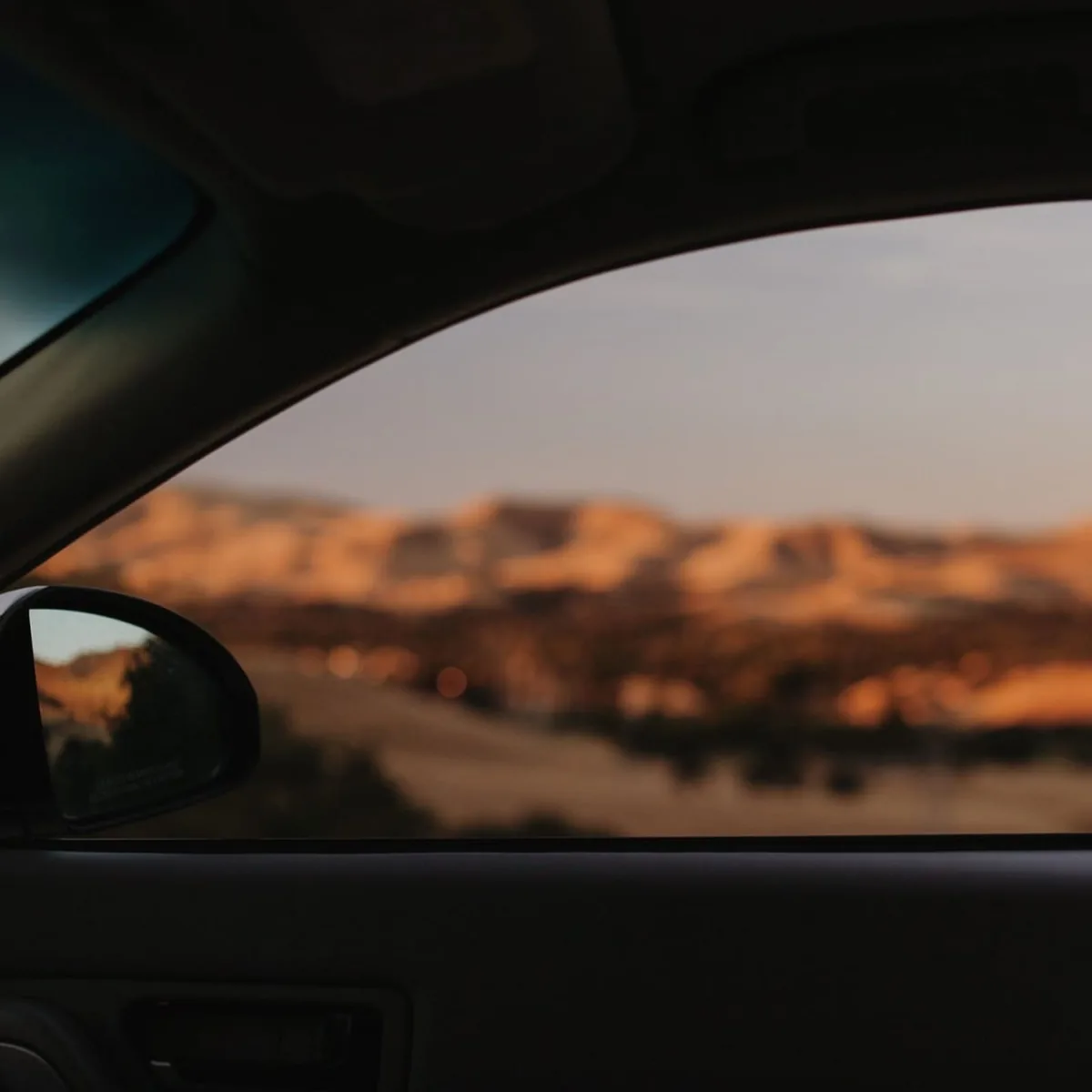
Phantom carries RAYNO’s lifetime warranty against cracking, discoloration, bubbling, blistering, peeling and delamination. If you want the terms in writing for your vehicle, ask us when you come in. We will not invent extra fine print in this article that is not already on our Window Tint page.
Comparing XPEL, LLumar, SolarGard, SunTek, and 3M with RAYNO
If you have been searching for window tint shades in Rocklin or Sacramento, you have probably also searched familiar film names: XPEL, LLumar, SolarGard, SunTek, and 3M. That is a reasonable way to start. Those are widely known brands, and many drivers use them as a shorthand when they compare shops.
Royal Tint does not install XPEL, LLumar, SolarGard, SunTek, or 3M window film. We install RAYNO Phantom. We are one of RAYNO’s largest elite dealers, with certified technicians, and the shades on our wall are the five Phantom percentages listed above.
When you are shopping XPEL vs LLumar vs RAYNO — or adding SolarGard, SunTek, or 3M to that comparison — skip the marketing names for a moment and ask every shop the same questions: which shades they actually have, what heat-rejection figure they will stand behind, what the warranty covers, and whether you can see the film on glass before you decide. A darker shade is not automatically a cooler one, and a familiar brand name is not a substitute for a sample. We can walk you through Phantom in person. For another brand’s specifications, ask a shop that installs it; we will not invent those numbers here.
California tint law
Shade choice in California is not only a comfort decision. Window film on motor vehicles is regulated in the California Vehicle Code. The official text is in Vehicle Code section 26708 and section 26708.5, published by the California Legislative Counsel. We will not restate legal visible-light numbers in this article; the code is the source, and it can be amended.
If you want help matching a Phantom shade to your vehicle, ask us at the shop. Windshield film is a different product from side-window tint. For that, see our page on RAYNO Crystal Shield windshield protection.
See the shades in Rocklin or Sacramento
Royal Tint has two shops, and you can see Phantom samples at either one. We have been in this work since 2016 — more than 10 years — and we are one of RAYNO’s largest elite dealers, with certified technicians and 1,050+ reviews across both locations.
The Rocklin shop is at 5600 Pacific St, Suite 110, Rocklin, CA 95677, The Sacramento shop is in Rancho Cordova, at 3515 Sunrise Blvd, Suite #21, Rancho Cordova, CA 95742. Hours are Monday–Saturday, 10 AM–6 PM. Both locations are listed with maps and directions.
Sedans, coupes, SUVs and trucks are in the normal mix. Vans and large vehicles are quoted individually. There is no published tint price in this article; tell us the vehicle and the shade you are considering and we will come back with a quote. Request a quote, or call the shop you plan to visit.
Bring the car if you can. Seeing a sample on glass, next to your own windows, is more useful than choosing a window tint shade from a photo. You can also read the full product notes on our Window Tint page before you come in.
Frequently asked questions
What window tint shades does Royal Tint offer?
We install RAYNO Phantom in 5, 15, 20, 30 and 50%. That is the published shade range on our Window Tint page. You can see the films on glass at our Rocklin and Sacramento (Rancho Cordova) shops.
What does a tint percentage mean?
The number is visible light transmittance, or how much visible light gets through the film. Lower is darker. Five percent lets through the least visible light in this lineup; 50% lets through the most. The number is not a heat-rejection rating by itself.
How much heat does RAYNO Phantom reject?
Across the Phantom lineup, the film is listed at up to 93% heat rejection and 99.9% UV rejection. Exact numbers vary by film and shade. We will walk you through the sample for the shade you are considering.
Does Phantom have a lifetime warranty?
Yes. Phantom carries RAYNO’s lifetime warranty against cracking, discoloration, bubbling, blistering, peeling and delamination.
Do you install XPEL, LLumar, SolarGard, SunTek, or 3M window tint?
No. Those are well-known film brands people often search when they compare tint, but Royal Tint does not install XPEL, LLumar, SolarGard, SunTek, or 3M window film. We install RAYNO Phantom. We are one of RAYNO’s largest elite dealers, and our technicians are certified. For another brand’s specifications, ask a shop that installs it.
Where can I see window tint shades in Rocklin or Sacramento?
At either shop, Monday–Saturday, 10 AM–6 PM. Rocklin is at 5600 Pacific St, Suite 110. Sacramento (Rancho Cordova) is at 3515 Sunrise Blvd, Suite #21. Bring the car if you can so you can compare samples next to your own glass.
Are vans and large vehicles quoted the same way?
No. Vans and large vehicles are quoted individually. Sedans, coupes, SUVs and trucks are in the normal mix. Request a quote online or call the shop you plan to visit.